17 November 2026
How to Choose a Dune Buggy in Dubai
Presented by @eveningdesertsafaridubaicorner
Understanding the Terrain and Your Options
Dubai's desert landscape offers a unique environment for off-road driving. The dunes vary from soft, fine sand to harder packed areas, and the choice of buggy can make a significant difference in how you experience the ride. Before you book or rent, it helps to understand what to look for and what to expect from the equipment available.
The first thing to consider is the type of dune buggy that suits the terrain. Most buggies designed for desert use fall into two broad categories: those built for speed and those built for stability. A lighter buggy might feel more responsive on gentle slopes, but a heavier, wider model often handles the deep, shifting sand of the larger dunes more reliably. You want a machine that can maintain traction without sinking or tipping. Checking the tyre type is also important; wider, low-pressure tyres are generally better for sand because they float on top rather than dig in. Narrow tyres can cause the buggy to get stuck or become difficult to control on softer patches.
Another factor is the buggy's suspension. Desert driving involves constant small bumps and occasional larger drops. A good suspension system absorbs these shocks, keeping the ride comfortable and the driver in control. If the suspension is too stiff, every bump will jar through your hands and back. If it is too soft, the buggy may bottom out on larger dips. Look for models with adjustable suspension if you have the chance, or ask the rental company about the setup. The Safari Desert Dubai official site provides useful information on the types of buggies they offer and the conditions you can expect on their routes.
Safety Features and What to Check
Safety should be a priority when choosing a dune buggy. A proper roll cage is essential; it protects the occupants if the buggy tips over. The frame should be made of sturdy metal, not thin tubing that could bend under stress. Seat belts are another must. Many buggies come with four-point or five-point harnesses, which are far more secure than a standard lap belt. Make sure the belts are in good condition, without fraying or obvious wear, and that they buckle firmly.
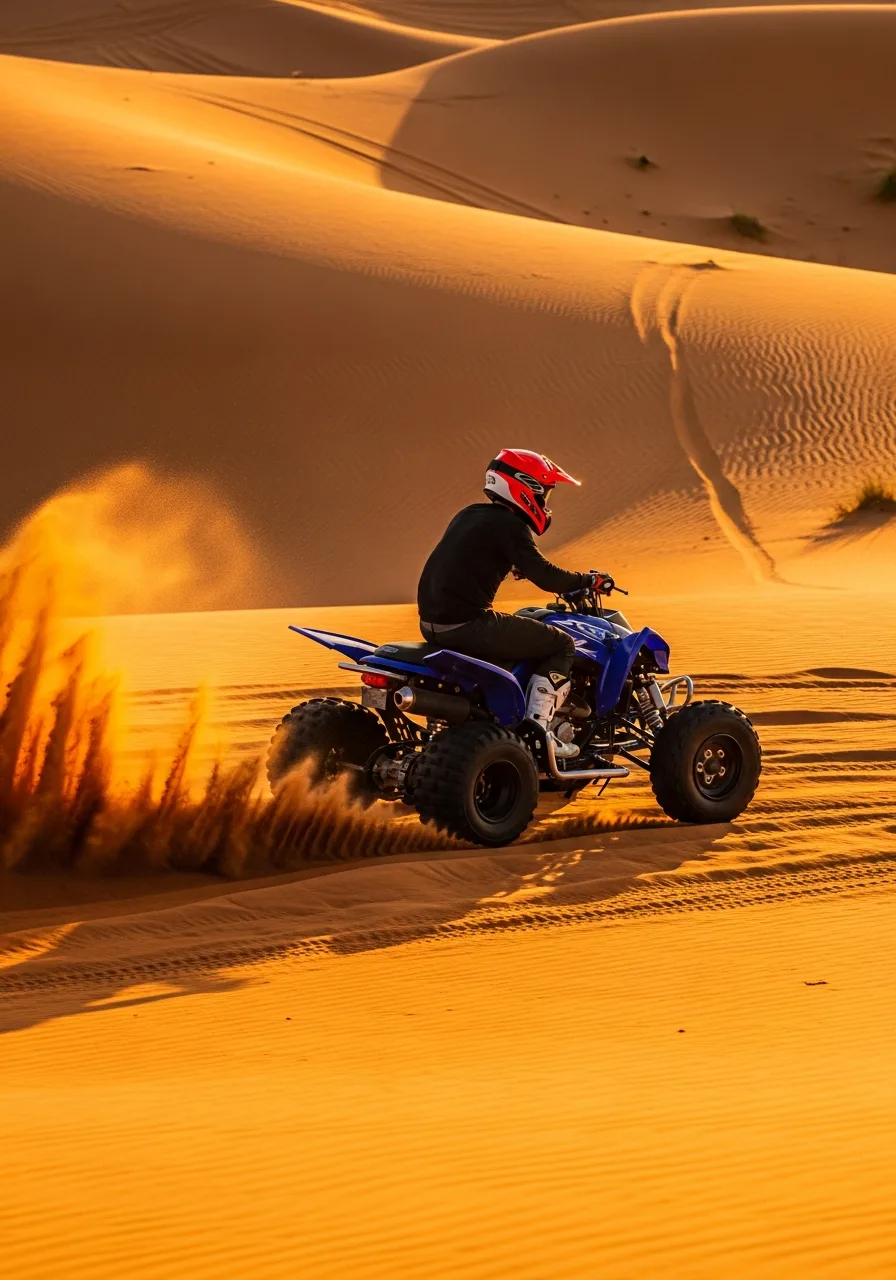
Helmets and goggles are usually provided, but you can bring your own if you prefer. The helmet must fit snugly without being too tight, and the goggles should seal well against the dust. Dust is a constant companion in the desert, and even a small gap can lead to irritated eyes or reduced visibility. Some buggies also have a flag or a whip antenna mounted on the back. This is not just decoration; it helps other drivers see you when you crest a dune. Ask whether the buggy has one, especially if you are going out in a group.
Brakes and steering should feel responsive. Before you set off, do a quick check: sit in the buggy, press the brake pedal and ensure it engages smoothly. Turn the steering wheel from lock to lock and listen for any grinding or hesitation. If something feels off, do not hesitate to ask for a different buggy or a mechanic to look at it. A well-maintained buggy will feel tight and predictable. If the rental company seems reluctant to let you inspect the vehicle, that is a red flag. Reputable operators encourage a thorough walk-around before any ride.
Engine Type and Power Considerations
The engine is the heart of the dune buggy. Most desert buggies use either a petrol or a diesel engine, with petrol being more common in recreational models. The power output is usually measured in horsepower or kilowatts. For a beginner, a buggy with moderate power is often a better choice than a high-performance machine. Too much power can make the buggy harder to control on loose sand, especially if you are not used to the way the vehicle slides on turns. A smaller engine is also lighter, which can help with fuel efficiency and reduce the strain on the buggy's components.
If you have experience with off-road vehicles, you might prefer a buggy with a larger engine for the extra punch when climbing steep dunes. However, remember that raw power does not always translate into better performance on sand. Torque matters more than peak horsepower. A buggy that delivers torque smoothly across the rev range will climb dunes more effectively than one that only produces power at high revs. You can often find this information in the buggy's specifications, or you can ask the rental company about the engine's characteristics.
Fuel capacity is another practical detail. A full day of dune bashing can consume a fair amount of fuel, and you do not want to run out in the middle of the desert. Most rental buggies come with a full tank, and the operator will likely have a support vehicle that carries extra fuel. Still, it is wise to ask about the range and whether there is a refuelling point during the trip. Knowing this helps you plan your driving and avoid unnecessary stops.
Rental Packages and What They Include
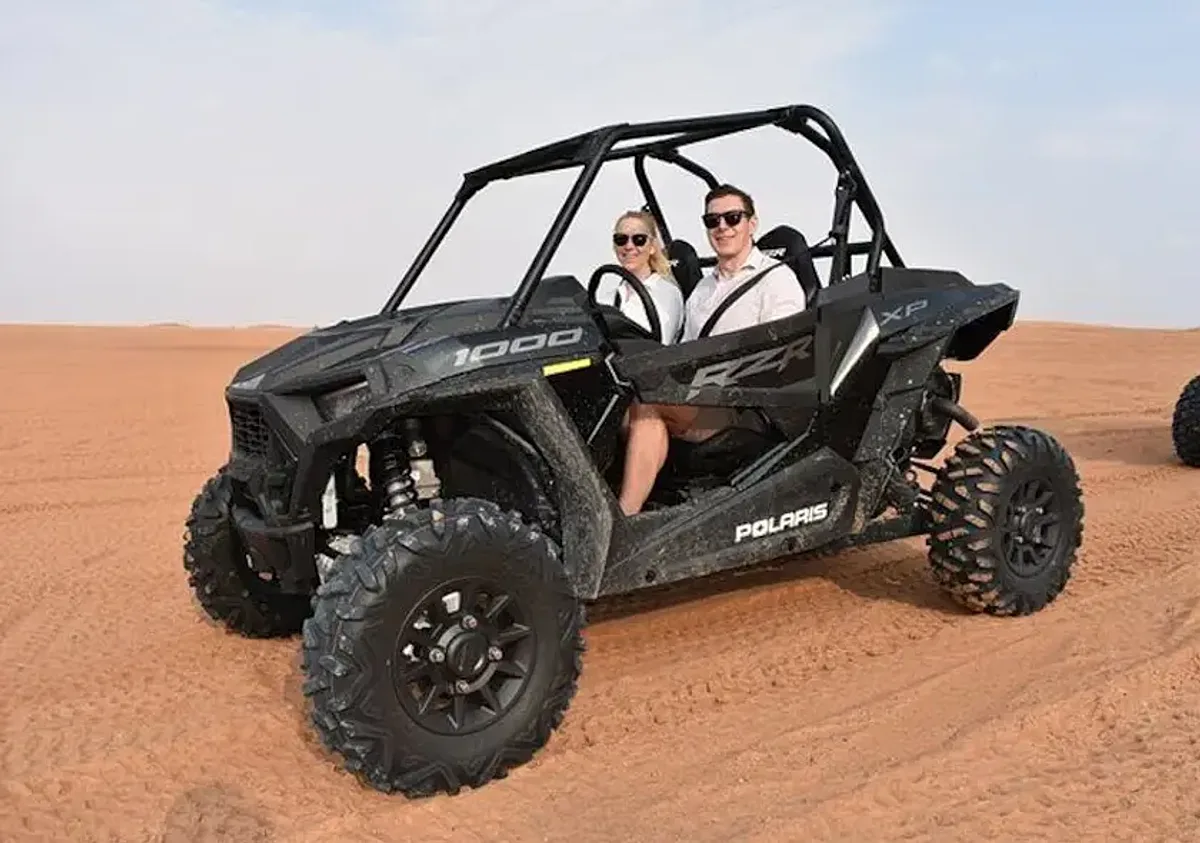
Different companies offer different rental packages. Some include the buggy, fuel, safety gear, and a guide for a set price. Others charge separately for insurance, additional drivers, or extra time. When comparing options, look at what is included rather than just the headline price. A cheaper rate might come with hidden costs that make it more expensive in the end. For instance, some packages cover damage to the buggy only up to a certain limit, leaving you liable for the rest. Read the terms carefully.
Insurance is a key point. Ask whether the rental includes third-party liability and damage waiver. If you are not covered for damage to the buggy, you could face a large bill if you hit a rock or slide into a dune. Some operators offer a buy-down option where you pay a small extra fee to reduce your excess. This can be worth it for peace of mind, especially if you are new to desert driving. The Safari Desert Dubai official site outlines their typical rental conditions, which can give you a benchmark for what to expect from other providers as well.
Another aspect is the duration of the rental. Most trips last between one and three hours, but some companies offer half-day or full-day options. Consider how much time you actually want behind the wheel. A two-hour session can feel short if you are having fun, but it is enough to get a good taste of the dunes. For a more relaxed experience, a longer rental allows you to take breaks, enjoy the scenery, and drive at a more leisurely pace. Make sure the timing fits with your schedule and the heat of the day; early morning or late afternoon are usually the most comfortable times to drive.
Driving Experience and Guidance
If you are new to dune buggies, having a guide or instructor can make a big difference. A good guide will show you the proper lines up a dune, how to handle a slide, and when to accelerate or brake. They will also keep an eye on the group and the weather conditions. Some companies require that you follow a guide in a lead vehicle, which is a good safety measure. Others allow you to drive independently within a marked area. For beginners, a guided tour is the safer and more enjoyable option.
Ask about the group size. Smaller groups mean more personal attention and less dust from other buggies. Large groups can feel chaotic, and you may spend a lot of time waiting for others to catch up. A ratio of one guide per four or five buggies is reasonable. Also, check whether the guide is experienced in desert driving specifically, not just general off-road driving. The desert has its own challenges, such as soft sand, sudden drops, and limited visibility over dunes. An experienced guide can help you read the terrain and avoid trouble.
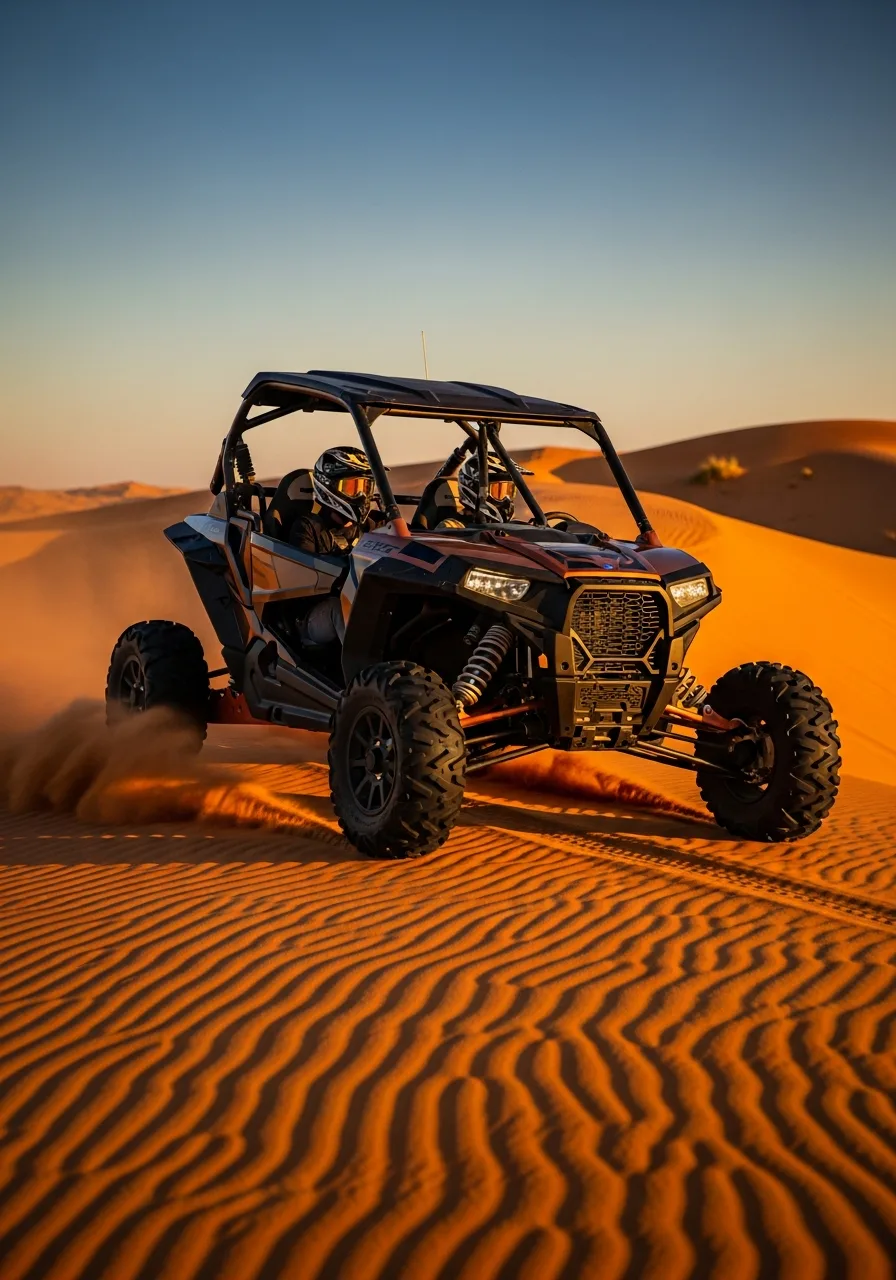
Finally, consider the condition of the buggies the company uses. Well-maintained vehicles are a sign of a professional operation. Ask how often the buggies are serviced and whether they are checked before each rental. A company that takes care of its equipment is more likely to provide a safe and reliable experience. If you are unsure, you can search for recent reviews from other customers. Look for comments about the buggies' performance, the staff's professionalism, and the overall experience. This can give you a realistic picture of what to expect.
Choosing the right dune buggy in Dubai comes down to matching the vehicle to your skill level, the terrain, and the type of experience you want. Take your time to research, ask questions, and inspect the buggy before you commit. With the right preparation, a day in the dunes can be both thrilling and safe.
 Facebook
 Instagram